


1. June - 31. October 2000

Trinidad and Tobago

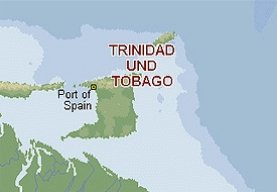
Home of the Calypso
Columbus took possession of Trinidad in 1498 for the Spanish Crown. The native Indian inhabitants were soon decimated through imported illnesses and forced labor. During the Anglo-Spanish War, the English conquered the island. Neighboring Tobago changed its ownership frequently until finally, in 1889, Trinidad and Tobago were linked to form a crown colony.
The British plantation owners brought slaves over from Africa to work on the sugar cane and coffee plantations. After the abolition of slavery, contract workers were hired from Asia. Today, Tobago's population consists mainly of the descendants of black slaves, whereas the ethnic mixture on Trinidad is more "colorful".
Since 1962, the islands have been independent, becoming a Republic with a new constitution in 1976. At the same time, the smaller Tobago achieved full internal self-government.
The "sugar and rum trade" was long ago replaced by petroleum - its extraction and processing makes up more than a quarter of the gross national product. Tourism is also a flourishing industry. On Trinidad the lavishly celebrated carnival is a particular attraction. Tobago is said to have inspired Daniel Defoe to write his "Robinson Crusoe" novel and is therefore marketed as "Robinson Island".
Trinidad is seen as the home of the Calypso, which originally derived from the satirical songs sung by the slaves against their white masters. It gets its distinctive sound from the steeldrums. Oil and petrol barrels were turned into drums and the rubber drumsticks produce bell-like sounds.