


1. June - 31. October 2000

Sri Lanka

Pearl of the Indian Ocean
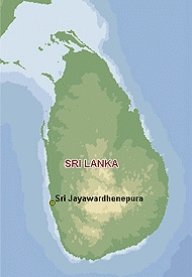
Sri Lanka, located to the south of India in the ocean, looks like a teardrop-shaped pearl. The former Ceylon is known for tea and is a popular tourist attraction. "Intensely beautiful, wonderfully bright" is how the island's inhabitants describe their homeland, which looks back on more than 2,500 years of written history.
As early as in the Roman Empire, Singhalese trading routes led to Europe, to the Mediterranean. Not only the remnants of the first capital of Sri Lanka, Anuradhapura, are evidence of the early stages of Singhalese civilisation - there are old palaces, temples and monasteries all over the country. Kandy, located in the central highlands and capital of Sri Lanka in the 17th and 18th centuries, is one of the most important holy sites of Buddhism.
From 1505 the Portuguese and then the Dutch colonised the island. They were mainly interested in precious stones and cinnamon. It was not until the British colonialists arrived that the plantation economy was founded in the 19th century. Rubber, coconuts, coffee and Ceylon tea were planted. They brought Indian Tamils to the island to work on the plantations. The colonial system offered Tamils from Sri Lanka, who have inhabited the north and the east of the island for more than 1,000 years, particularly attractive opportunities to rise up in society.
Still today Sri Lanka is one of the world's largest producers of tea. Most of the farmland is used to plant rice; this fully covers the domestic demand. The textile, natural gas, metal and chemical industries concentrate more on the capital city of Colombo: 95 percent of foreign trade is carried out via its harbour. Sri Lanka's main task, however, is to end the Singhalese-Tamil conflict which has been disturbing unification and the further development of the country since its independence in 1948.