


1. June - 31. October 2000

Iceland

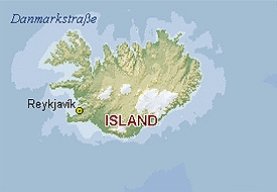
Fire and Ice
200 volcanoes, huge glaciers and hot springs: Iceland is the country of extremes. The island is situated on the Arctic circle but the influence of the Atlantic Gulf stream causes a rather mild climate. Earthquakes and volcanic activity is part of the daily life in Iceland. 11 percent of the country's area are covered by ice. The ice on the Vatna Glacier in the Southeast is 1000 metres deep in places. With its 8456 square metres it is larger than all European glaciers together.
The biggest and most famous geyser of Iceland is situated near Reykjavik. It spouts a fountain up to 60 metres high in intervals of 5 to 36 hours.
The citizens of Reykjavik can heat their homes exclusively with the hot springs of the region. The hot houses are heated the same way. As only one per cent of the land is arable, vegetables, fruits and flowers are grown in hot houses.
Iceland's economy is mainly based on fishing. When the Icelandic people decided to extend their fishing zone to 200 nautical miles, they got in conflict with other European states - the "Cod Wars". Nowadays it is internationally recognized.
Norwegian Vikings discovered and settled on the island at the end of the first century. The language "Islenska" is related to Old Norse and has changed little. Thus an Icelandic reader can understand their famous sagas still in their original form. The Icelandic sagas describe the history of the great families that settled on the island in the 10th and 11th century. Also the songs of the "Edda" come from Iceland. The author Halldör Laxness was awarded with the Nobel prize for literature in 1955.