


1. June - 31. October 2000

Guatemala

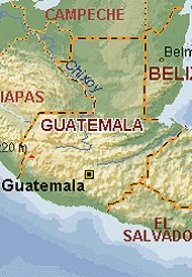
New ways in the land of the Mayas
Because of the climate in its uplands, Guatemala is known as the "Land of Eternal Spring". It has both Atlantic and Pacific coastlines, and the jungle province of Petén is one of the seven largest tropical regions in the world. For the inhabitants of the uplands, life in the shadow of the mountain can be peaceful and contemplative - climbing volcanoes, swimming in mountain lakes or watching the rich wildlife of the rainforests.
But again and again you come across villages and people throughout the country who bear the scars of the civil war. The war against the people, which lasted until 1996, cost over 150,000 lives. For 36 years rebels fought against tyranny, for a fairer distribution of land and economic power. Most of the victims of war were descendants of a Mayan people, who make up the majority of the population even today. The cultural development of the Mayas began around four thousand years ago and reached its zenith in the tenth century. Whilst Europe was living through scientific and cultural stagnation in the Middle Ages, the Mayan peoples made impressive developments particularly in the areas of astronomy and architecture.
Military dictatorship has shaped the more recent history of Guatemala. Not until 1986 did a democratically elected president once again take office. Since then the Mayas have claimed an ever increasing say in the economic and political life of the country, and their culture is undergoing a veritable Renaissance.